

Designing an Elevate home isn’t about adding more, it’s about being more intentional. With larger proportions, higher-end finishes and more architectural presence, the right interior design choices should enhance the home, not compete with it. When done well, the result feels cohesive, refined and effortless to live in.
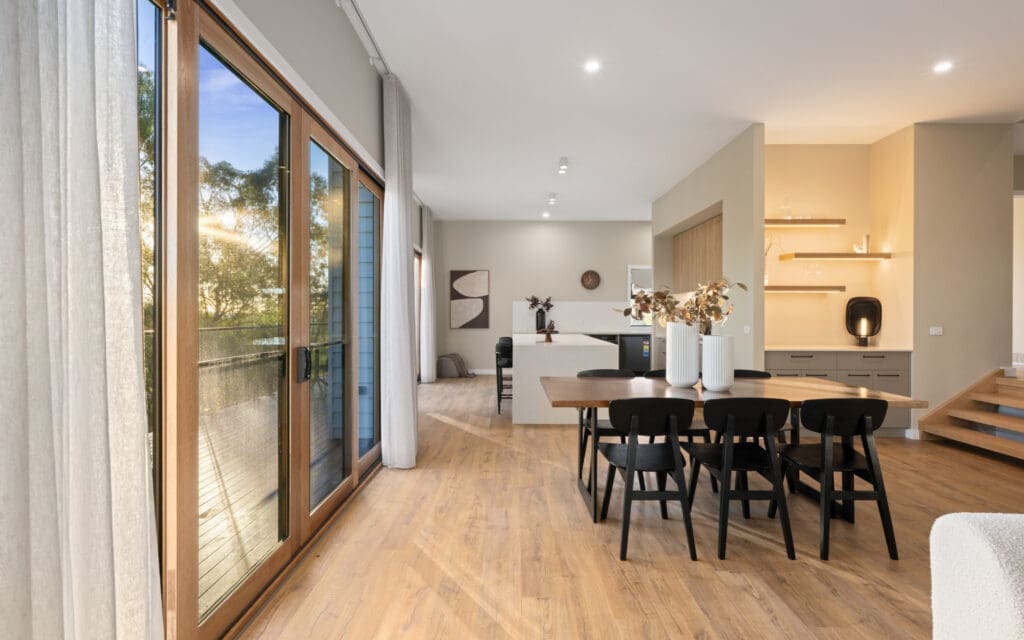
With the Elevate range, you’re stepping into a home that naturally has more presence. Typically sitting in that 26–32+ square bracket, these homes offer larger living areas and generous ceiling heights. Because of this, interior design becomes more noticeable. In smaller homes, you can get away with simple decisions, but in larger, more refined homes, those decisions stand out. Your interior choices need to feel more intentional.
One of the most important things with an Elevate home is restraint. The home already has structure and presence, so your interiors should support that.
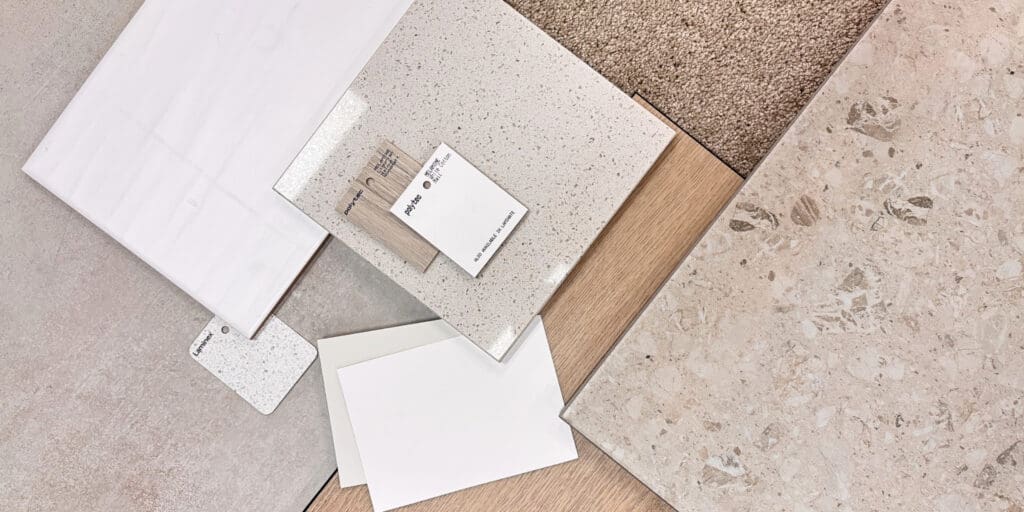
This is where many homes either feel high-end, or fall apart. In an Elevate home, everything needs to feel connected.
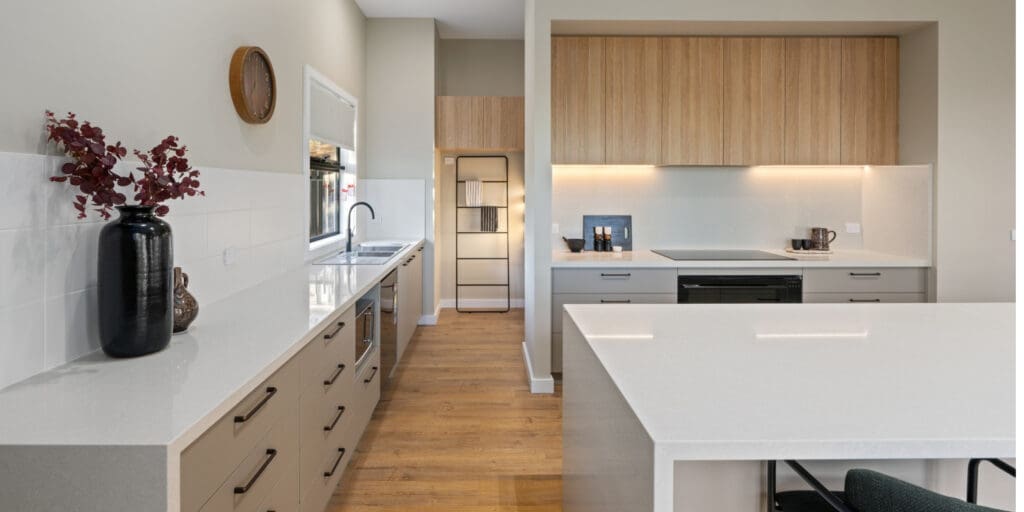
In more premium homes, less usually works better. Focus on a few key features that anchor the design, like a statement kitchen island, feature pendant lighting, or a well-designed fireplace wall. If everything stands out, nothing stands out.
In Elevate homes, focus your design energy on the kitchen, main living area, entry/hallway, master suite, and alfresco connection. These spaces are seen the most and set the tone for everything else.
Think bigger. In an Elevate home, small furniture can feel lost. Use larger rugs that anchor the space and furniture that suits the scale of the room. Match the scale of the home, don’t shrink it.
A couple builds an Elevate home and wants it to feel modern but not cold. They keep a neutral, warm palette, use timber and stone consistently, and choose fewer, larger furniture pieces. They don’t try to do everything—they just do the right things well.
Refined, layered styles like modern contemporary or soft minimal work best to complement the structure without overwhelming it.
Focus on consistency and restraint. Choose a cohesive palette and invest in key areas.
Kitchen design, lighting, flooring, and the overall material palette.
India works within the residential building space, with a background in property styling and interior design. Her approach focuses on creating homes that feel both functional and refined.
Table of Contents