Cost Factors to Consider When Building a Modern Home Like Foundation
Building a modern home like those in the Foundation range is often one of the smartest ways to enter the...


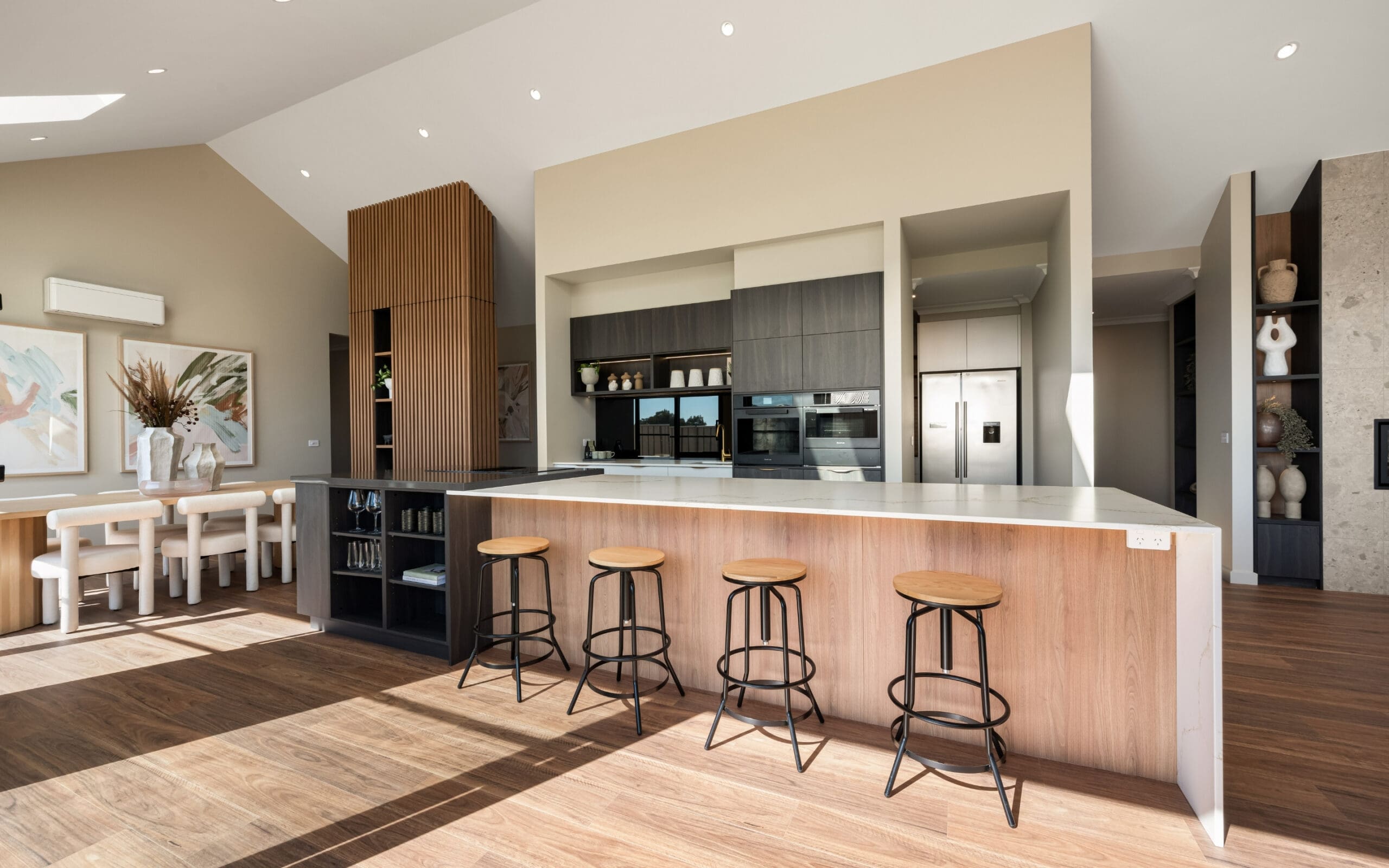
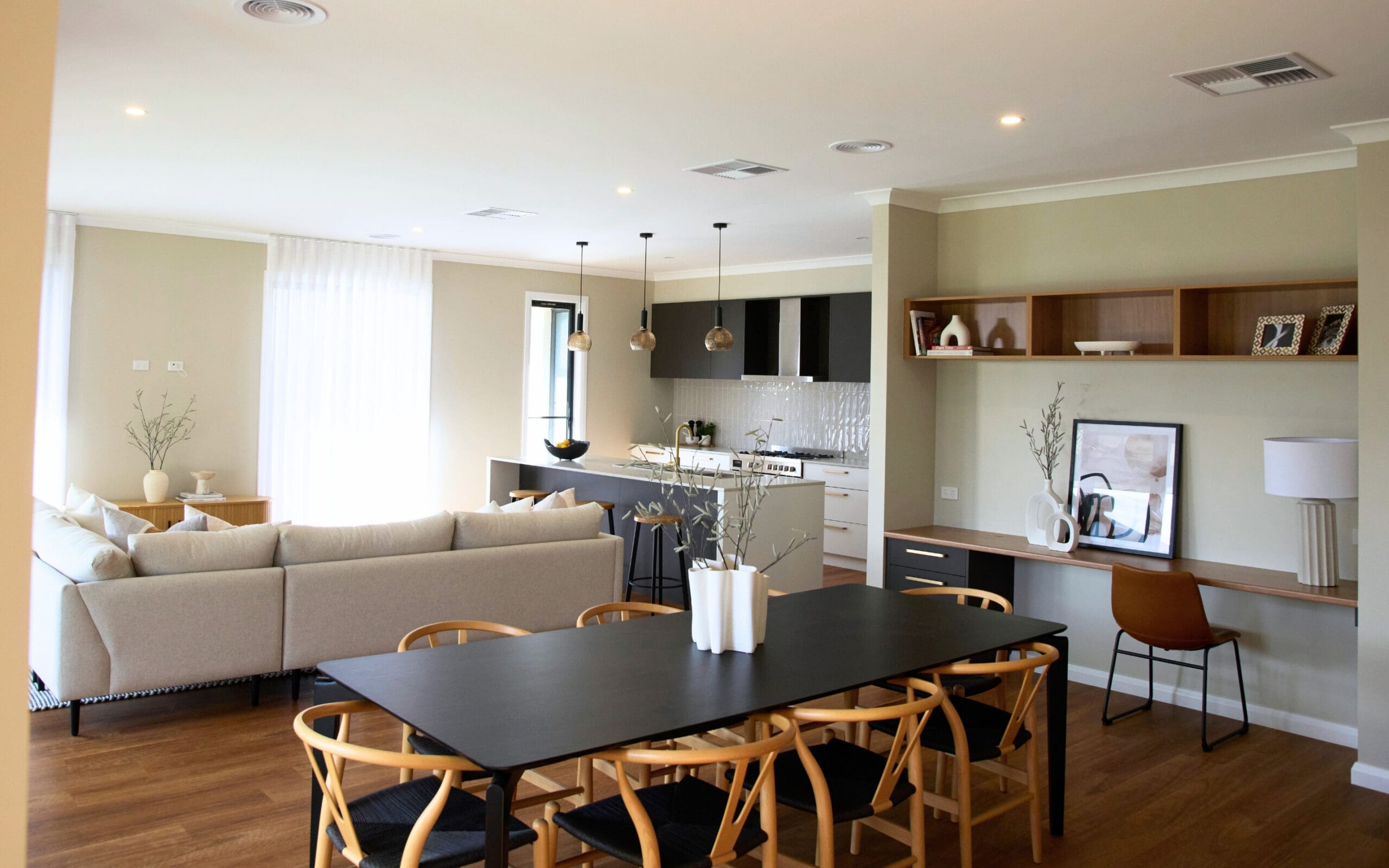
Homestead designs enhance everyday living by giving you more than just space — they give you breathing room. With larger footprints, stronger separation, and a deeper connection between indoor and outdoor living, these homes are designed to feel calm, functional and genuinely easy to live in, day after day. What really sets them apart is how effortlessly they support your routine — reducing noise, creating flow and allowing different parts of life to happen at the same time without friction.
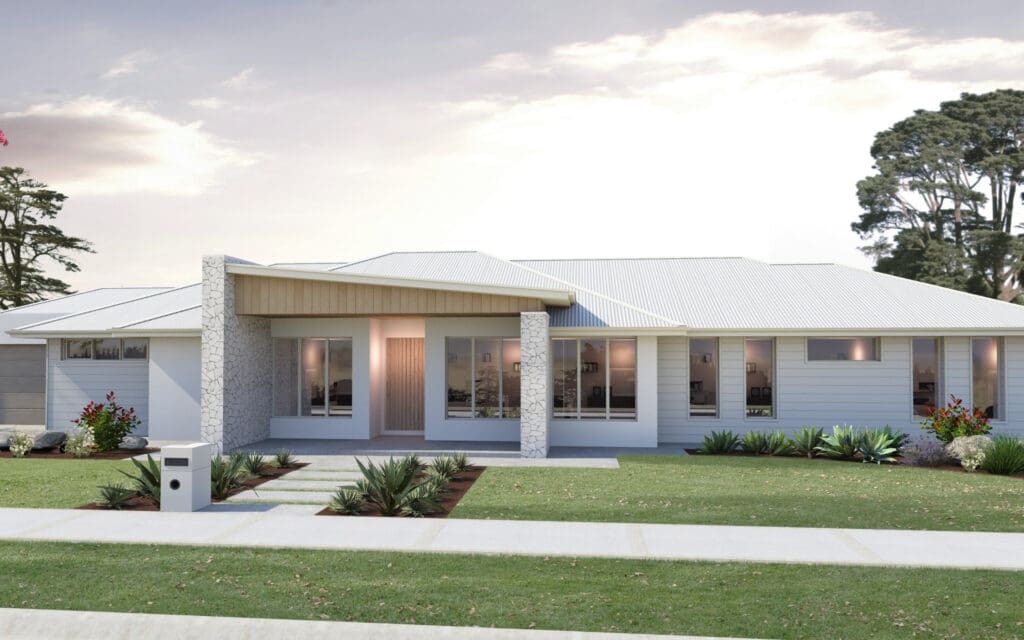
This is where the shift happens. With Homestead designs, you’re not just building a house that fits your needs — you’re creating a home that supports the way you want to live long-term. Typically sitting in that 33+ square range, these homes offer larger living zones, more generous bedrooms, multiple retreat areas, and stronger outdoor integration.
In a Homestead home, rooms feel less compressed and movement through the home feels more natural. Noise is better managed across different zones, so everyday routines feel more relaxed and less reactive.
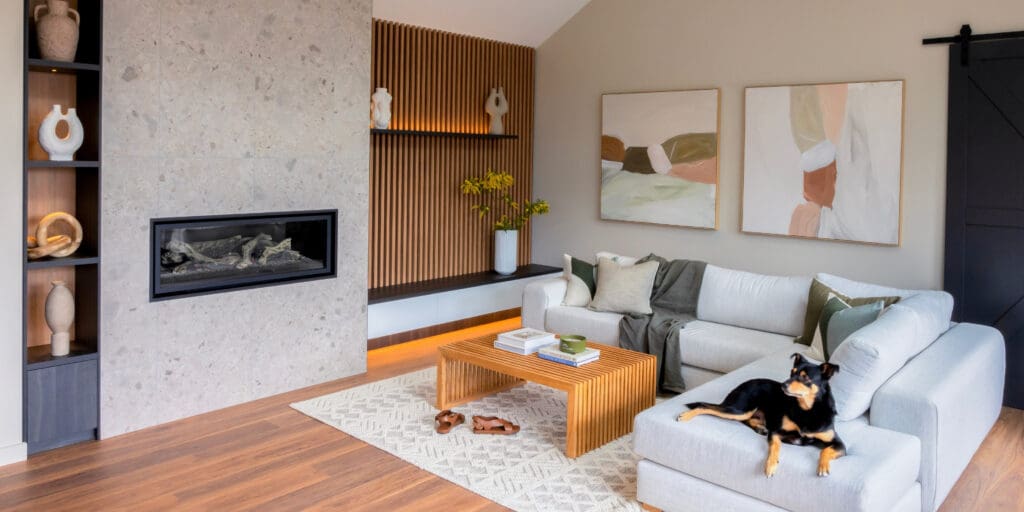
Space alone doesn’t guarantee a better lifestyle — how that space is organised is what makes the difference. Homestead designs are typically planned with clear separation between living and sleeping zones, and private master retreats positioned away from high-traffic areas.
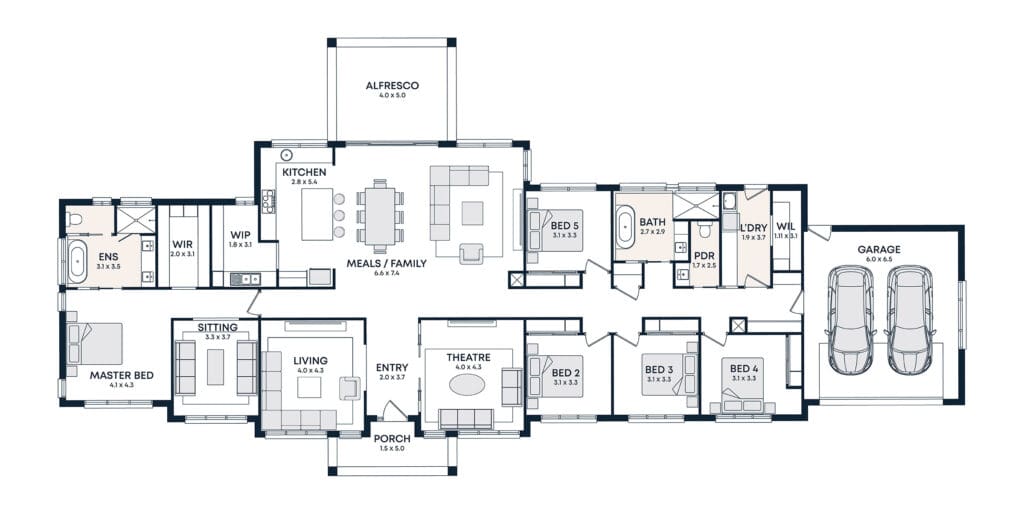
One of the biggest lifestyle advantages of Homestead homes is the way they connect to the outdoors. It stops feeling like an “extra area” and starts feeling essential.
One of the biggest advantages of a Homestead design is flexibility over time. Because of the size and zoning, these homes can adapt without needing major changes. A kids’ retreat evolves into a teenage space, or a spare room becomes a long-term home office.
A family builds a Homestead home on a larger block. They want space for their kids to grow and room to entertain comfortably. Over time, the kids naturally take over their own retreat, and the alfresco becomes part of their weekly routine. Nothing feels forced — the home simply works.
They are designed with more space and better zoning to allow the home to feel calmer and more functional over time.
Not at all. They suit anyone wanting flexibility, space to work from home, or a more relaxed living environment.
When designed properly, they often feel easier because better layout and storage reduce clutter and noise overlap.
India works within the residential building space, with a background in property styling and interior design. Her approach focuses on creating homes that feel not only functional, but genuinely good to live in.
Table of Contents