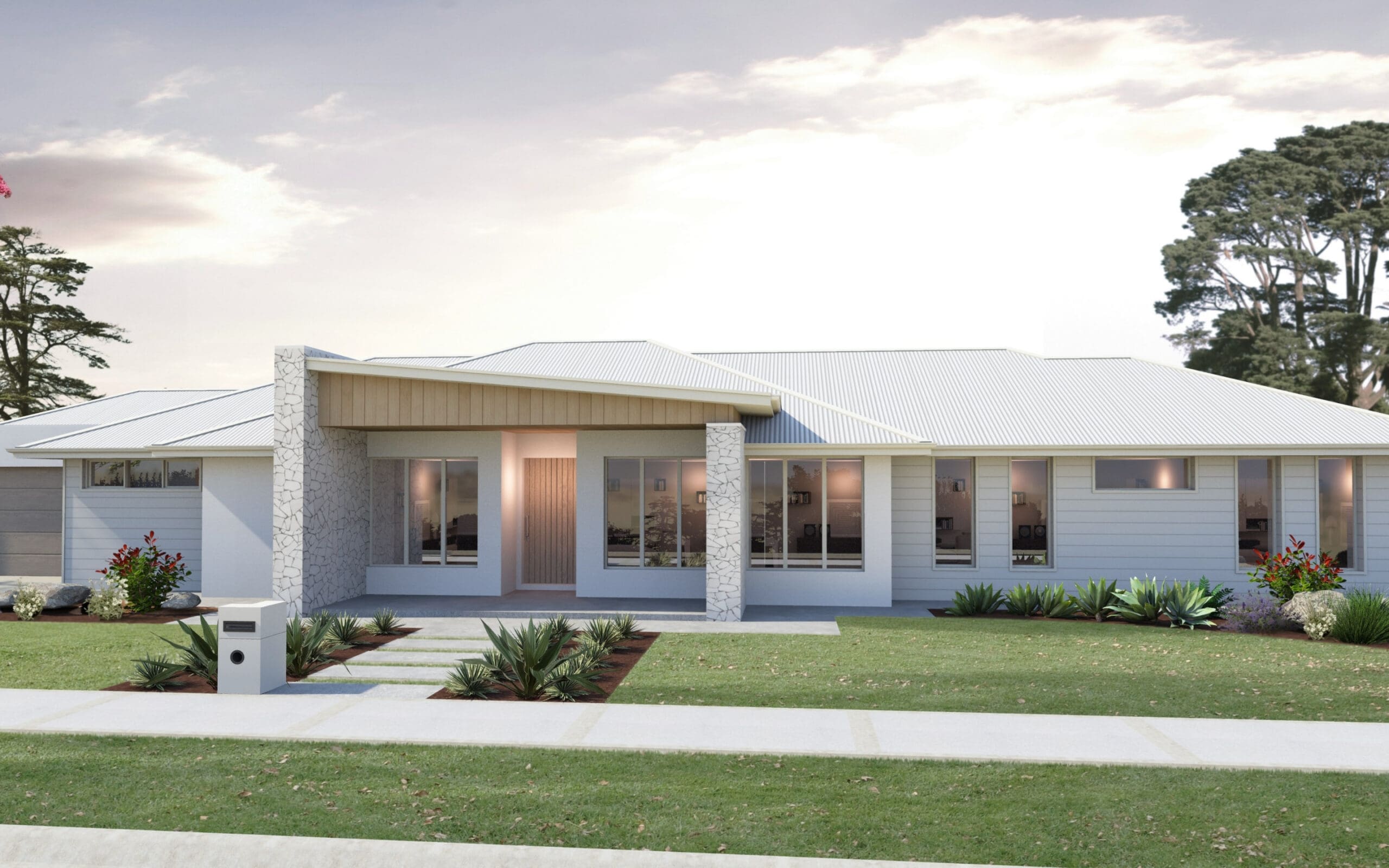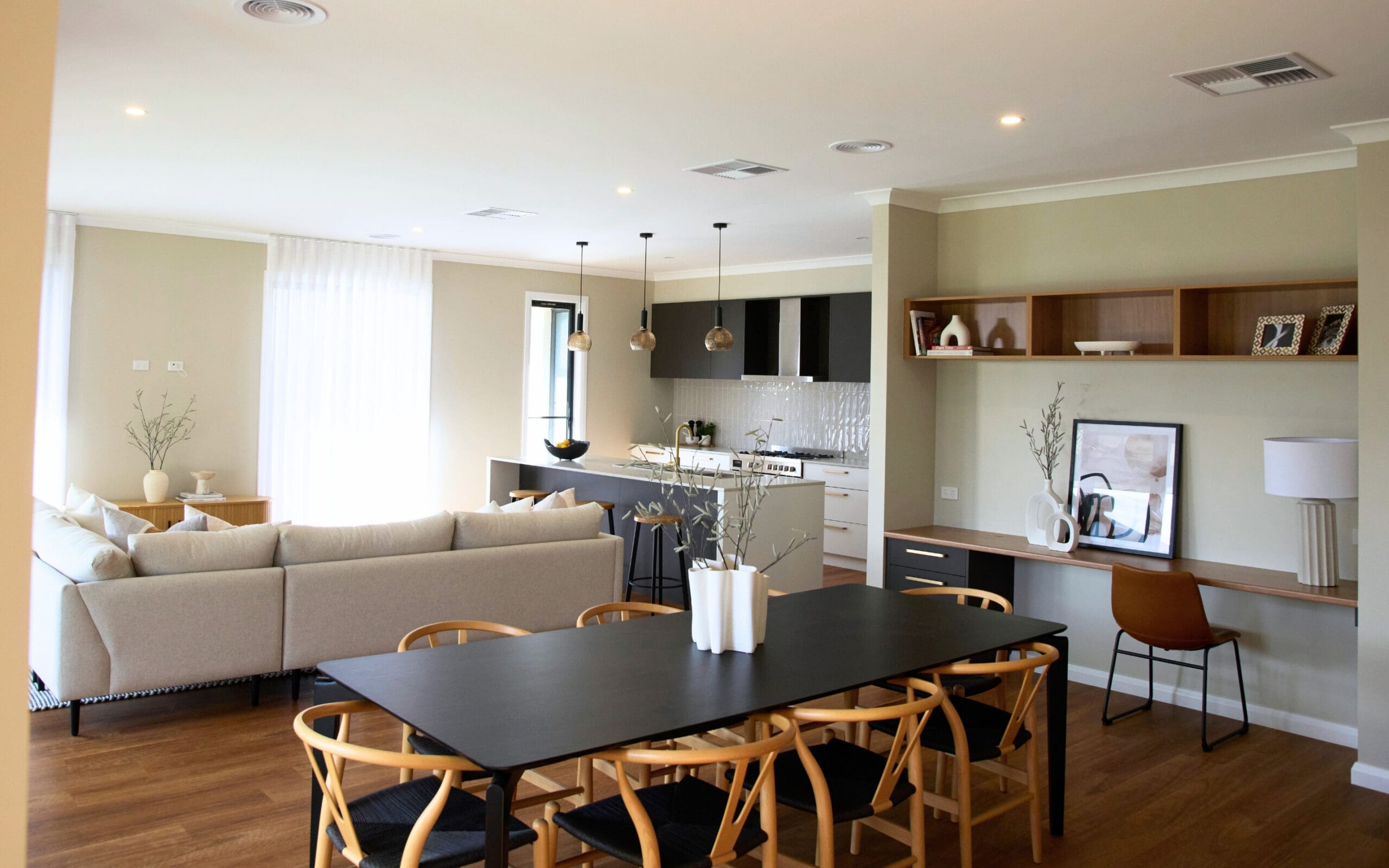
How to Personalise the Evolve Design for Your Family’s Needs
Personalising an Evolve home isn’t about making endless changes — it’s about getting the right things right.


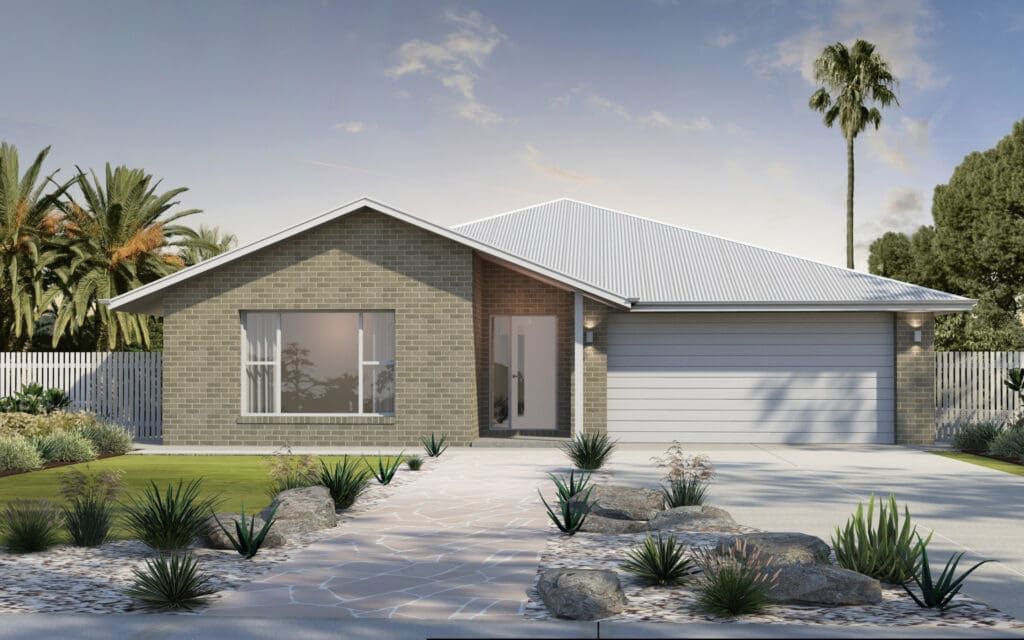
Building a modern home like those in the Foundation range is often one of the smartest ways to enter the market, but the true cost of the build goes beyond the advertised base price. From your block and site conditions to inclusions, upgrades and external works, understanding where the money goes early can help you make better decisions and avoid budget surprises later.
The Foundation range is typically the starting point for buyers who want a home that feels modern and functional, without stepping straight into a larger or more premium design category.
It tends to appeal most to:
These homes are generally designed to be practical, efficient and easier to build on standard suburban lots. In your product mix, Foundation has sat more in that 19–26 square bracket, making it a strong option for buyers who want enough space to live comfortably, but still need to stay conscious of budget.
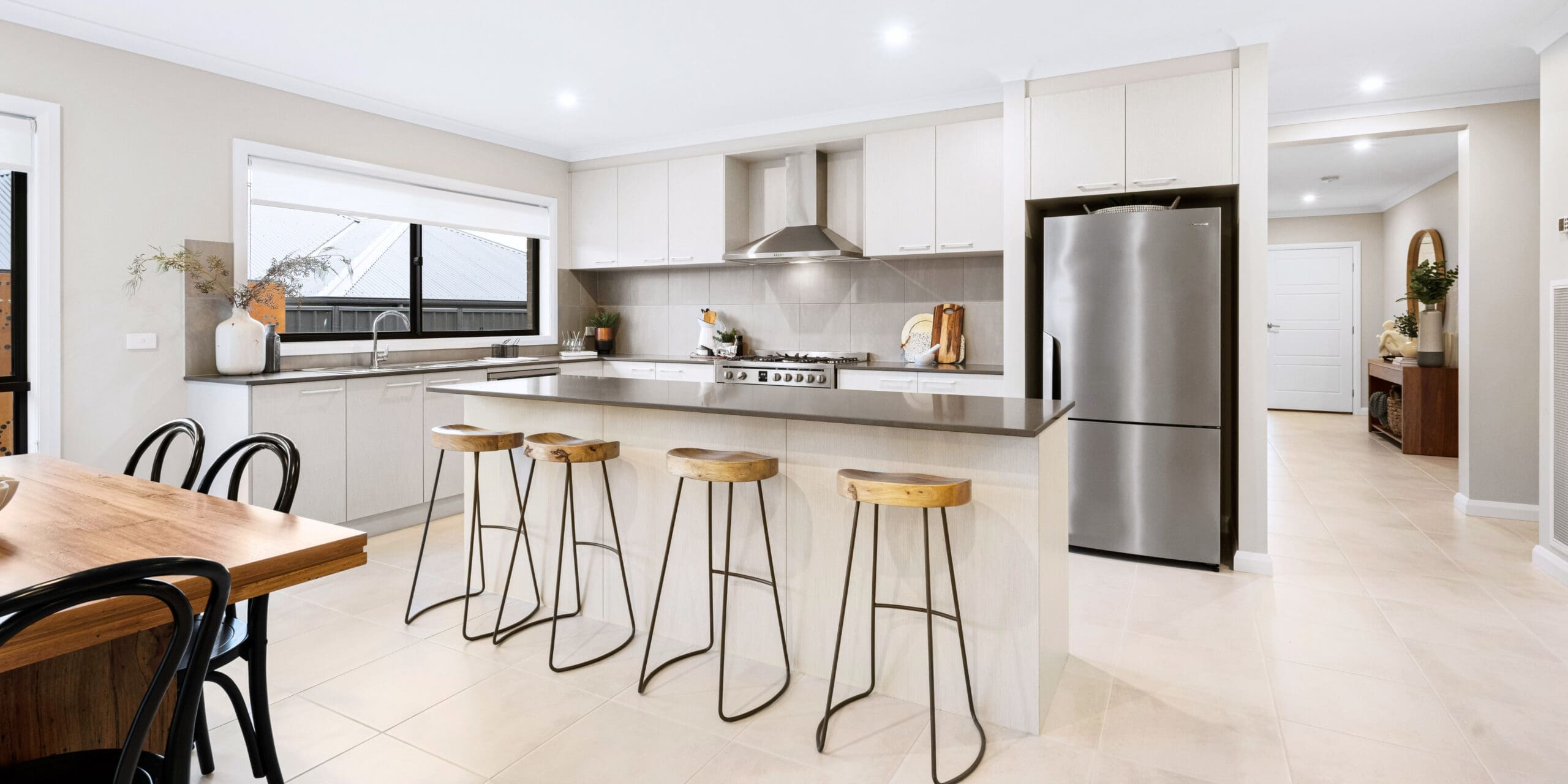
This is one of the biggest misconceptions people have when they first start looking. They see a base price and think that is close to what they will pay all up. The base price is just the starting point. It generally covers the home itself and a standard level of inclusions, but there are several other layers that shape the final cost.
The main cost categories usually include:
One of the strengths of the Foundation range is that it gives buyers access to a modern home design without starting from an oversized footprint or a heavily upgraded specification. Size affects cost in more ways than one, because a larger home usually means more materials, labour, and higher utility demands over time.
With Foundation homes, the footprint is typically more efficient. Spaces are designed to work harder, which means buyers can often get the feeling of a well-planned modern home without paying for square metreage they don’t really need.
If there is one area that can shift a budget quickly, it is site costs. These are the costs associated with preparing your land so the home can actually be built on it.
Site costs can be influenced by:
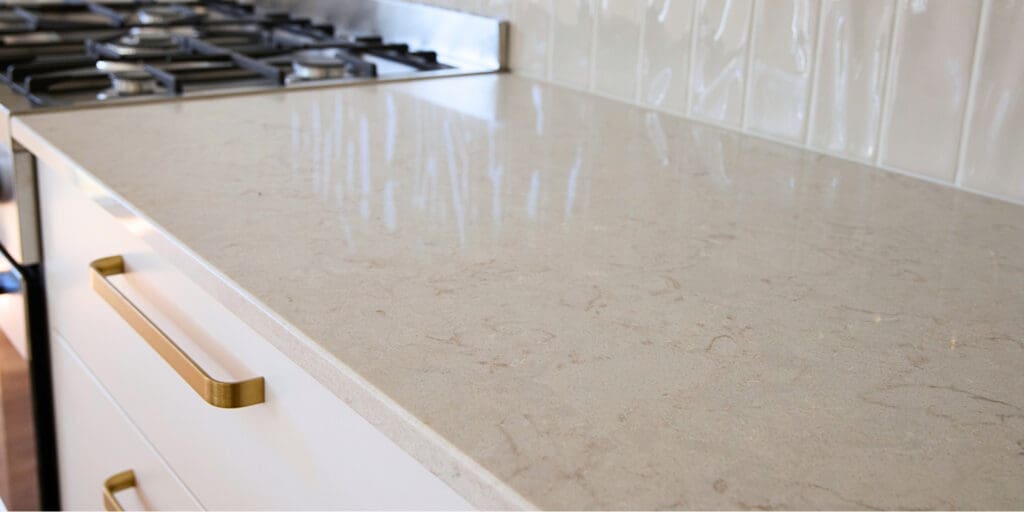
When buyers compare home designs, they often compare only the starting figure, but what is included in that price matters just as much. A Foundation home is usually about covering the essentials well.
Common inclusion areas to review carefully:
One of the best things about a more budget-conscious range like Foundation is that it encourages people to be intentional. Not every upgrade is equally important.
Upgrades that often have strong day-to-day impact:
External costs can add up quickly, especially once handover gets closer. Other costs buyers should allow for include driveways, fencing, letterboxes, clotheslines, and landscaping. For first home buyers especially, these items can feel like an afterthought until they all arrive at once.
Let’s say a young couple is building their first home. They choose a compact but well-planned design in the low-20 square range. Their block is relatively flat, which keeps site costs more manageable. They focus their money on good flooring, practical kitchen storage, and reliable heating and cooling. The result is a home that still feels modern and well-considered, without stretching the budget to a point that makes the whole process stressful.
Not at all. While it naturally appeals to first home buyers, it can also suit investors, downsizers, and buyers who simply want a more efficient, low-maintenance home.
Because the home itself is only one part of the total cost. Site conditions, estate guidelines, facade changes, upgrades and external works can all shift the final figure.
The biggest ones are usually site costs, flooring, heating and cooling, driveway, fencing, landscaping and any upgrades to kitchen or bathroom finishes.
India works within the residential building space, with a background in property styling and interior design. Her approach combines builder practicality with a strong understanding of how a home should feel to live in.
Table of Contents