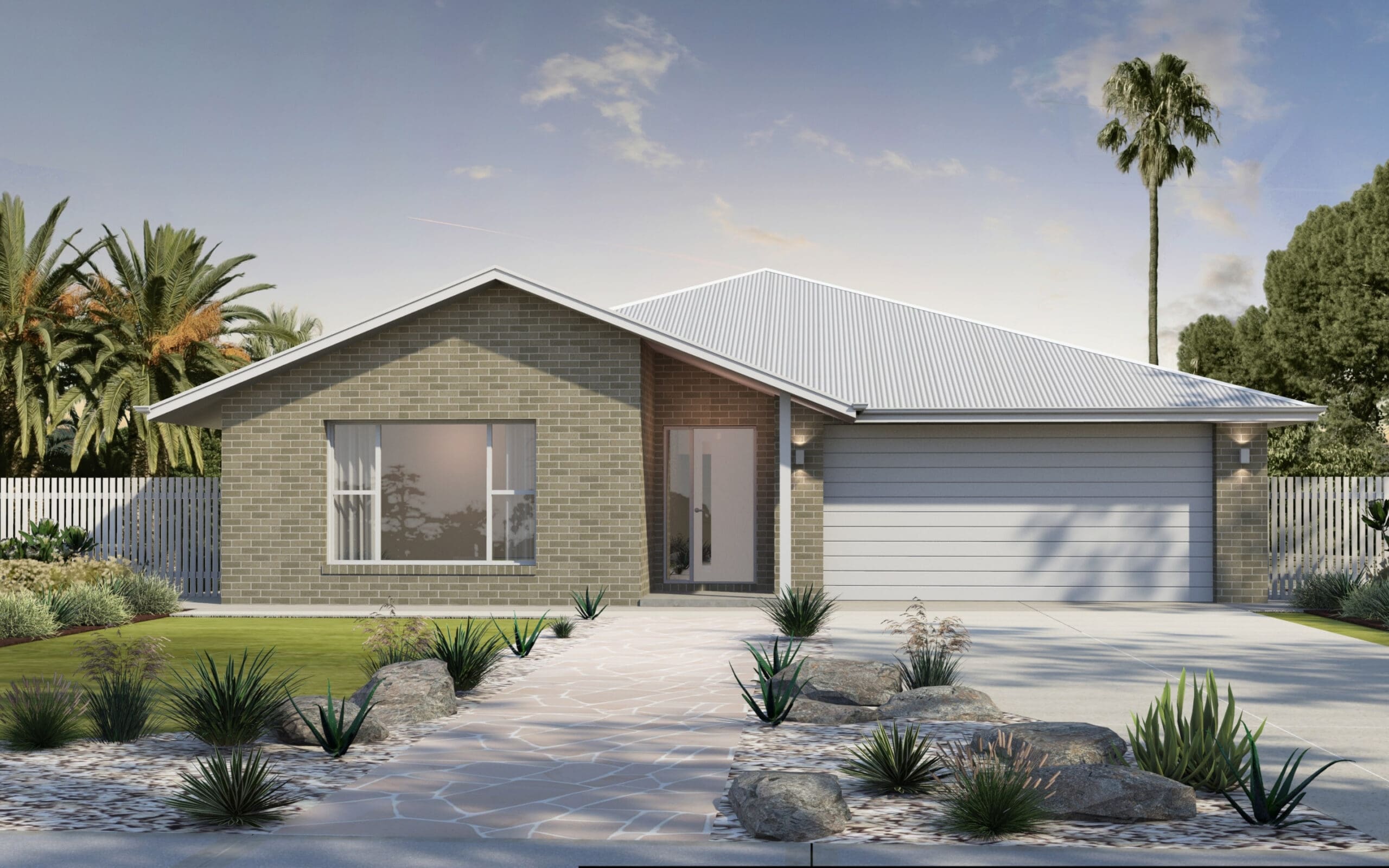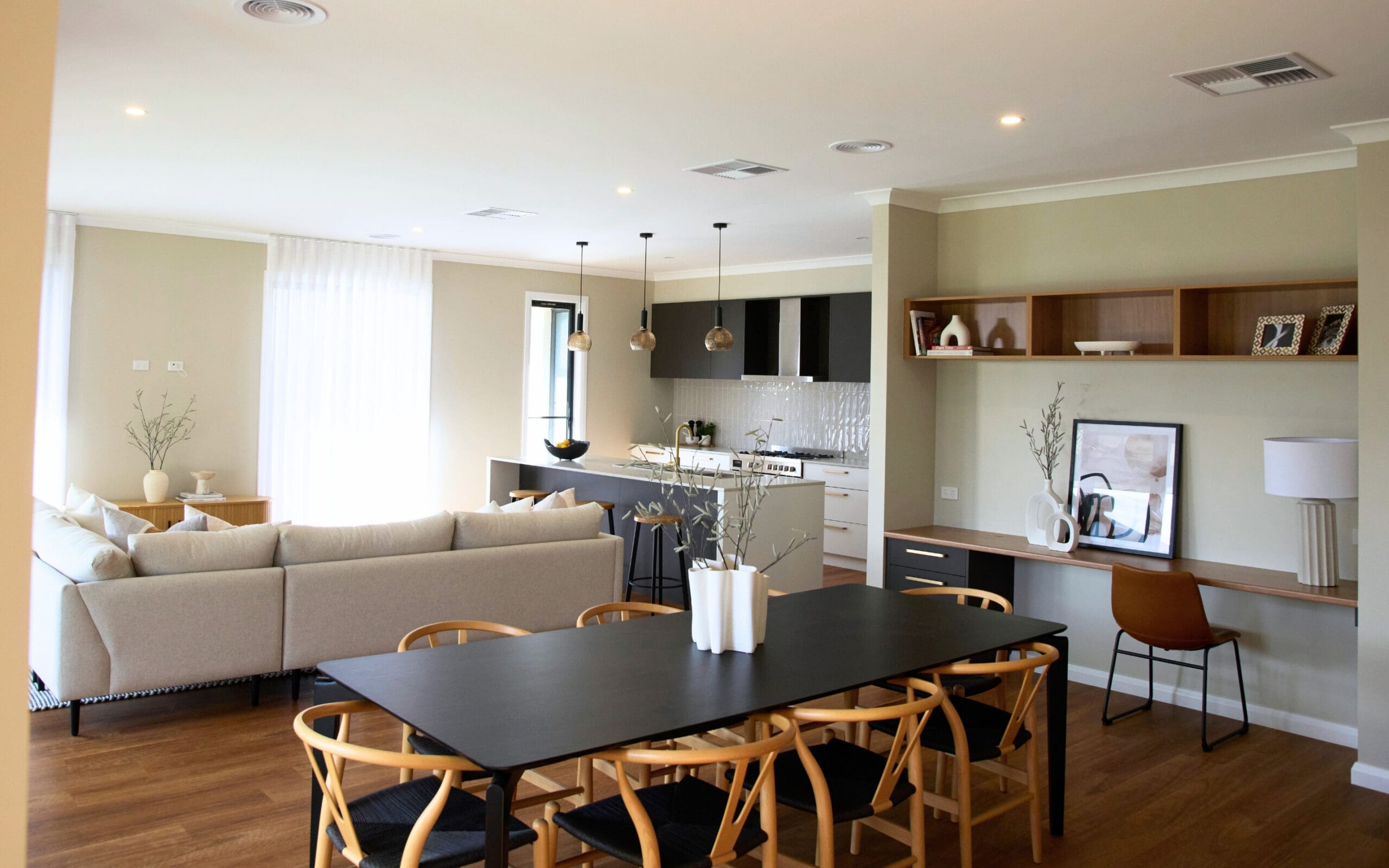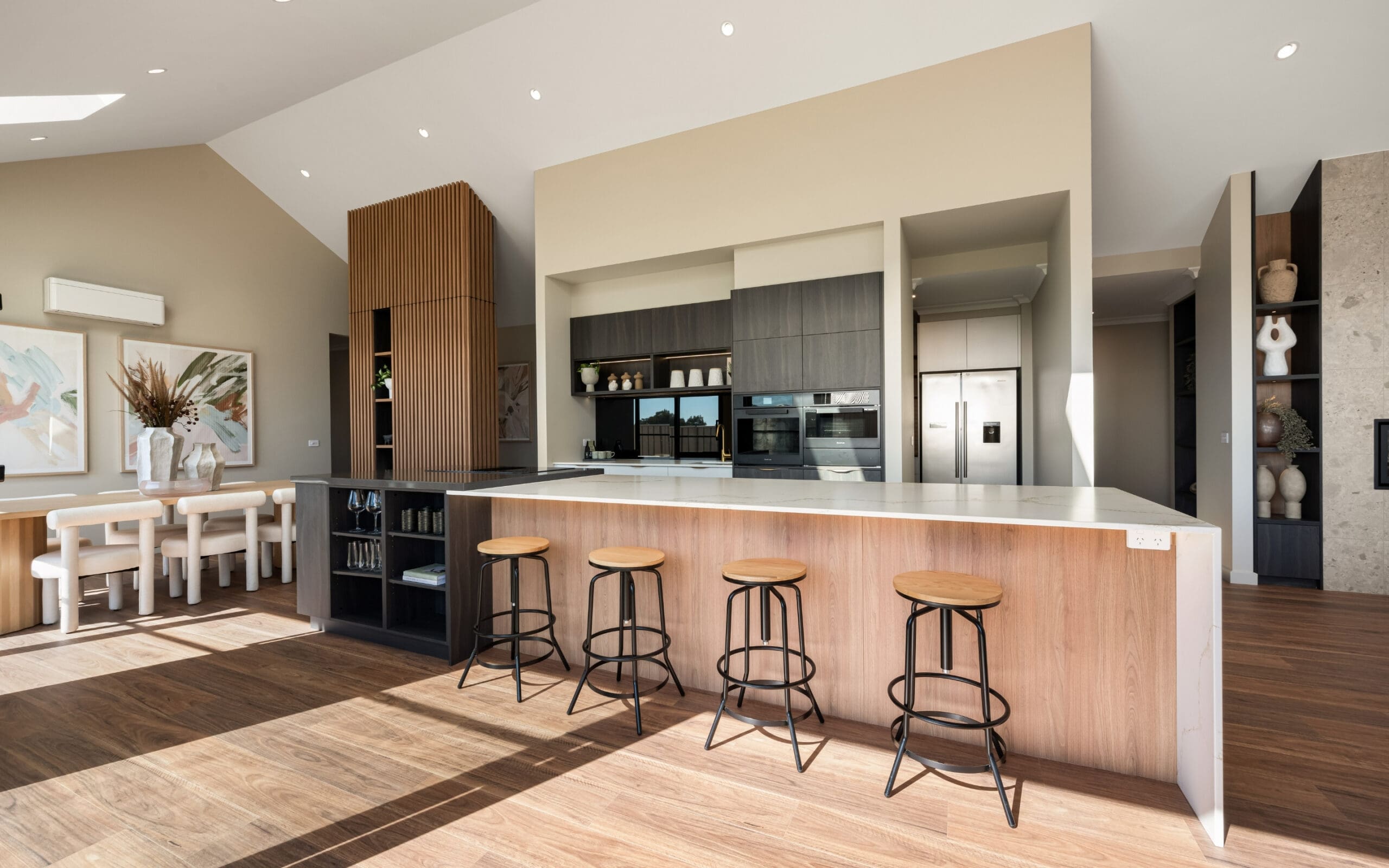
Why Modern Home Designs Like Evolve Are Trending in Australia
Modern home designs like Evolve are trending in Australia because they strike the balance buyers are actively looking for...


Building a home in the Albury–Wodonga region comes with a unique advantage — access to two thriving communities across one connected region. However, it also means navigating two different sets of building regulations, approval pathways, and compliance requirements.
While NSW and Victoria both operate under the National Construction Code (NCC), there are important differences in permits, energy efficiency requirements, insurance, and approvals that can impact your building journey.
The good news? With an experienced cross-border builder, these differences are managed behind the scenes, allowing you to focus on designing and building the right home for your lifestyle.
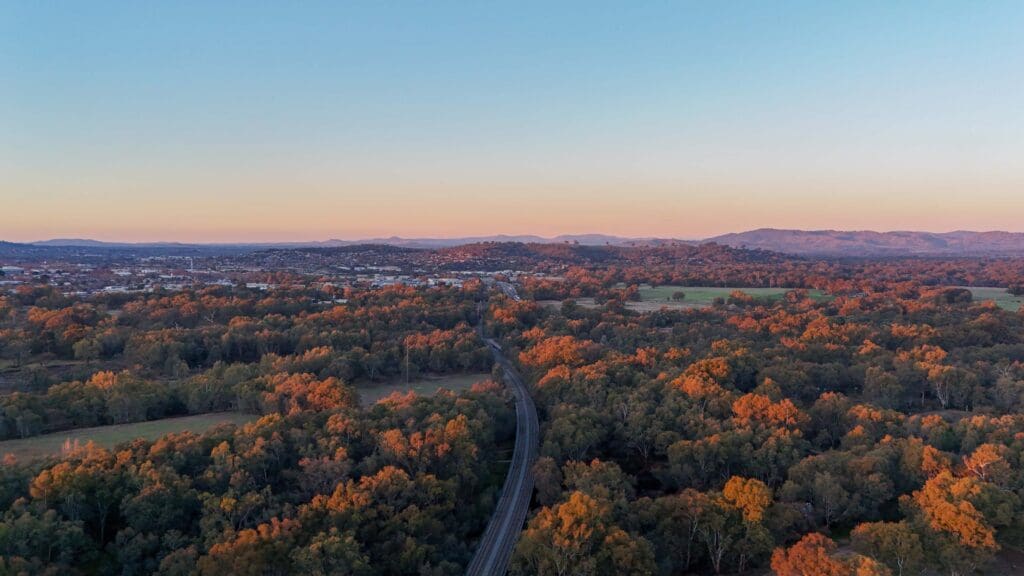
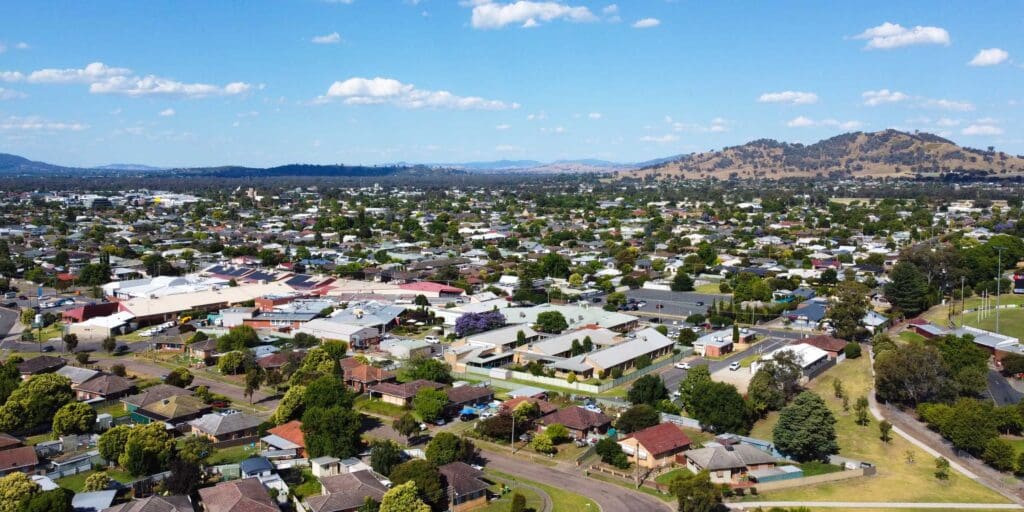
To most residents, Albury-Wodonga feels like one city. You might live in Wodonga, work in Albury, and spend your weekends moving between both.
When it comes to construction, however, the Murray River marks the boundary between two separate regulatory systems.
This means that a home built in Thurgoona may follow a different approval process to a home built in Baranduda, despite being only a short drive apart.
Understanding these differences early helps homeowners avoid surprises and make informed decisions throughout the building process.
One of the biggest differences between NSW and Victoria is the terminology and approval pathway used before construction begins.
Building in NSW (Albury)
Typically, the process involves:
Private certifiers often play a significant role throughout the process.
Building in Victoria (Wodonga)
Typically, the process involves:
Victorian projects generally involve a Building Surveyor overseeing compliance throughout construction.
The end result is largely the same. You need approval before construction and certification before moving in.
The main difference lies in the paperwork, approval pathways and regulatory authorities involved behind the scenes.
For homeowners, these complexities are usually managed by your builder and consultants.
Yes.
Although both states work under the National Construction Code, they assess energy efficiency differently.
NSW Energy Requirements
NSW requires:
BASIX (Building Sustainability Index) measures:
A BASIX certificate must be obtained before approval can proceed.
Victorian Energy Requirements
Victoria generally requires:
Assessments focus on:
A design that complies in Victoria may require modifications before it complies in NSW, and vice versa.
These adjustments may include:
An experienced builder and energy assessor will identify these requirements during the design phase.
Another important distinction between the states is homeowner protection insurance.
NSW
Homes are covered through:
Victoria
Homes are covered through:
Both schemes protect homeowners in circumstances where a builder becomes insolvent, disappears, or is otherwise unable to complete the project.
Builder licensing requirements also differ between states, which is why not every builder can automatically build on both sides of the border.
Beyond state regulations, local council planning controls can also influence your project.
Examples include:
This means two blocks of similar size may have very different planning requirements depending on their location.
For example, a rural lifestyle property outside Albury may trigger different considerations than a residential lot within a Wodonga estate.
Choosing a builder with genuine cross-border experience can simplify the entire process.
An experienced cross-border builder can:
For clients, the process should feel seamless regardless of which side of the Murray River they choose to build on.
The focus remains where it should be — creating a home that suits your lifestyle, budget and future plans.
Imagine two families building the same home design.
One is building in Thurgoona, NSW.
The other is building in Baranduda, Victoria.
While the floorplan, façade and finishes may be nearly identical, the project documentation, energy assessments, permits and approval pathways may be completely different behind the scenes.
This is why working with a builder who understands both systems can save time, reduce stress and provide confidence throughout the building journey.
NSW generally follows a Construction Certificate and Occupation Certificate process, while Victoria uses Building Permits, Building Surveyors and Occupancy Permits.
Yes. Victoria typically requires NatHERS and energy efficiency reporting, while NSW also requires a BASIX certificate assessing energy, water and thermal comfort performance.
Yes, provided they hold the appropriate licensing and have experience operating within both NSW and Victorian regulatory frameworks.
Costs can vary due to differences in regulatory requirements, site conditions, council fees and compliance obligations. However, location alone is rarely the sole driver of overall construction costs.
Potentially. Energy efficiency requirements, planning controls and site-specific regulations may require minor design adjustments to achieve compliance.
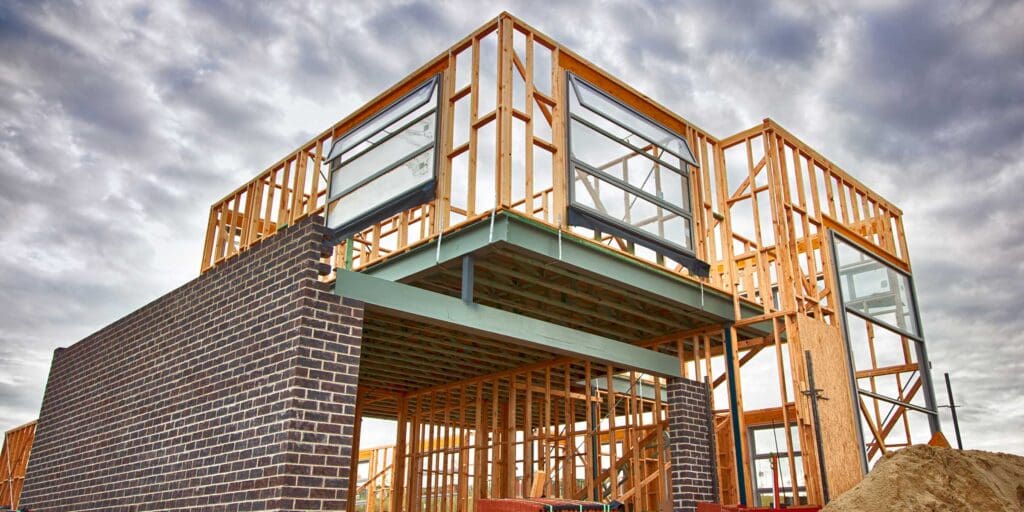
Whether you’re building in Albury, Thurgoona, Table Top, Wodonga, Baranduda or Leneva, understanding the differences between NSW and Victorian building regulations can help you start your project with confidence.
The right builder won’t just construct your home — they’ll guide you through approvals, compliance requirements and planning considerations, ensuring your journey is as smooth as possible from concept through to handover.
Written by the experienced residential sales and design team at Davis Sanders Homes. Working closely with families across the Albury-Wodonga region, our team helps clients navigate every stage of the building journey, from land selection and design through to approvals, selections and construction.
Table of Contents