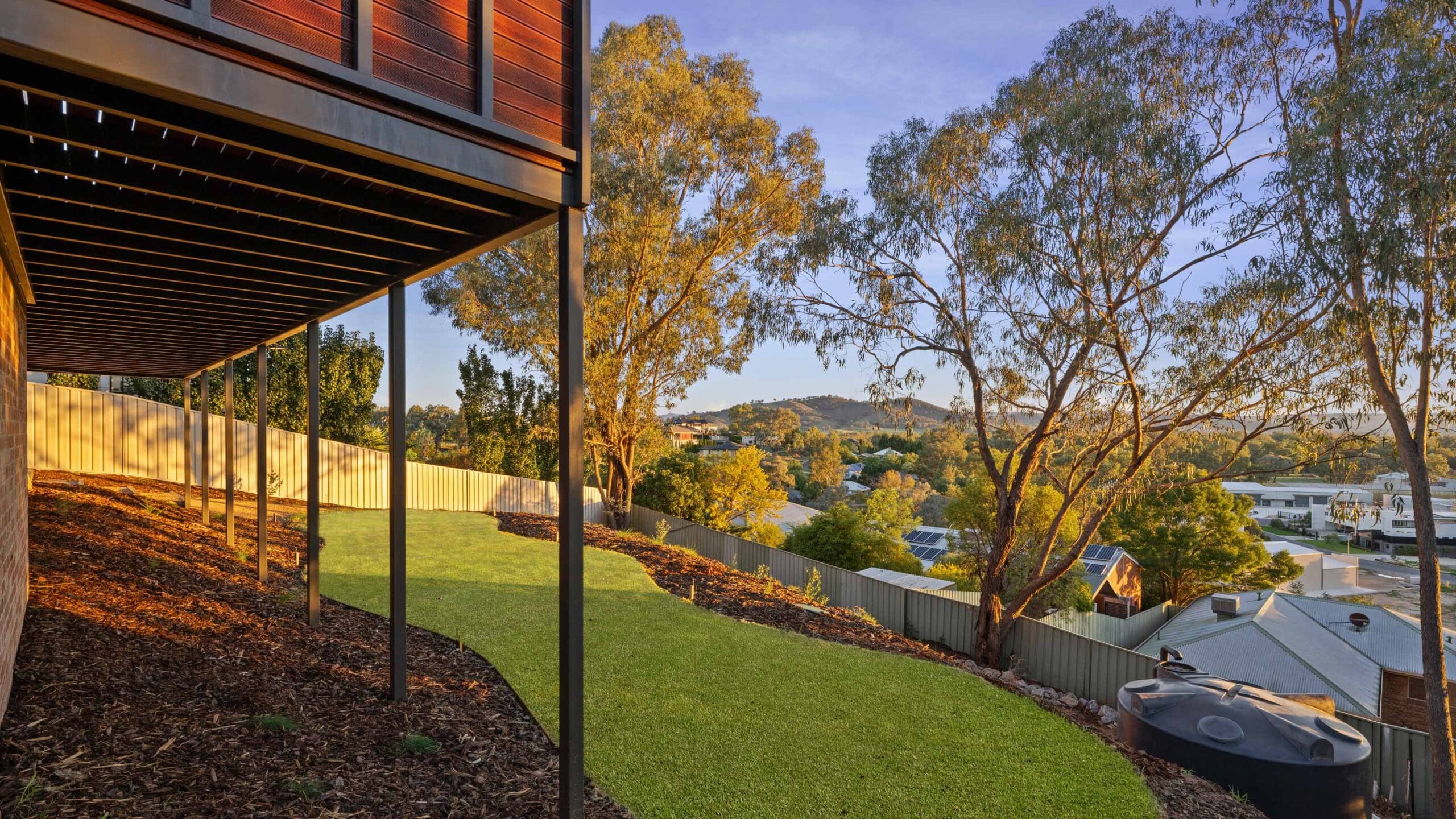
Sloping Block Solutions: Split-Level Architecture for Dynamic Terrain
Building on a sloping block is often seen as a challenge, but when approached correctly, it can become one...


✔ Long-life materials often have the lowest environmental impact because they require fewer repairs and replacements.
✔ Fibre cement, brick, masonry, steel cladding and carefully selected timber can all perform exceptionally well when used correctly.
✔ A low-maintenance home design doesn’t mean sacrificing architectural appeal.
✔ The best facade materials depend on orientation, exposure, BAL requirements, budget and personal style.
✔ Sustainable facades should be chosen for local conditions, not just appearance.
How to create a custom home facade that looks great, performs well and stands the test of time in the Albury-Wodonga region.
When building a new home, it’s easy to focus on appearance first. However, a sustainable facade is about more than selecting “eco-friendly” materials. It’s about choosing exterior finishes that will continue performing for decades.
In the Albury-Wodonga region, homes must withstand hot summers, cool winters, frost, rain, dust, UV exposure and in some locations, bushfire conditions. The smartest facade choices balance durability, maintenance requirements, energy performance and timeless street appeal.
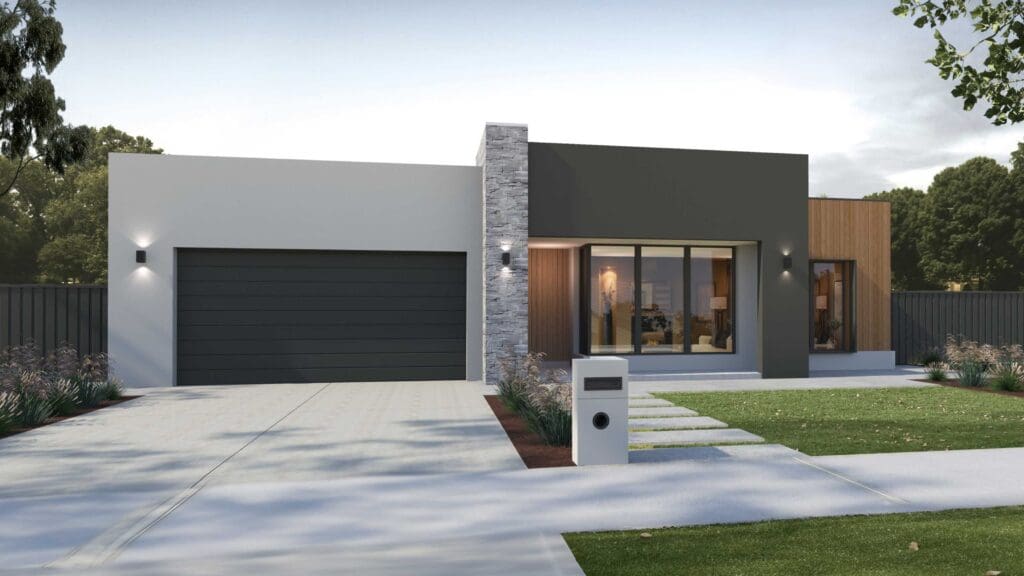
Your facade is your home’s first line of defence against the elements.
Every day, exterior materials are exposed to:
Choosing durable architectural exterior cladding can significantly reduce future maintenance, repainting and replacement costs.
For regional homes, sustainability is not just about the product itself—it’s about how well that product performs over time.
The Albury-Wodonga region experiences a unique mix of weather conditions throughout the year.
Homes need to be designed to withstand:
This means facade selections should be practical as well as visually appealing.
A material that looks fantastic on handover day should still look great ten or twenty years later.
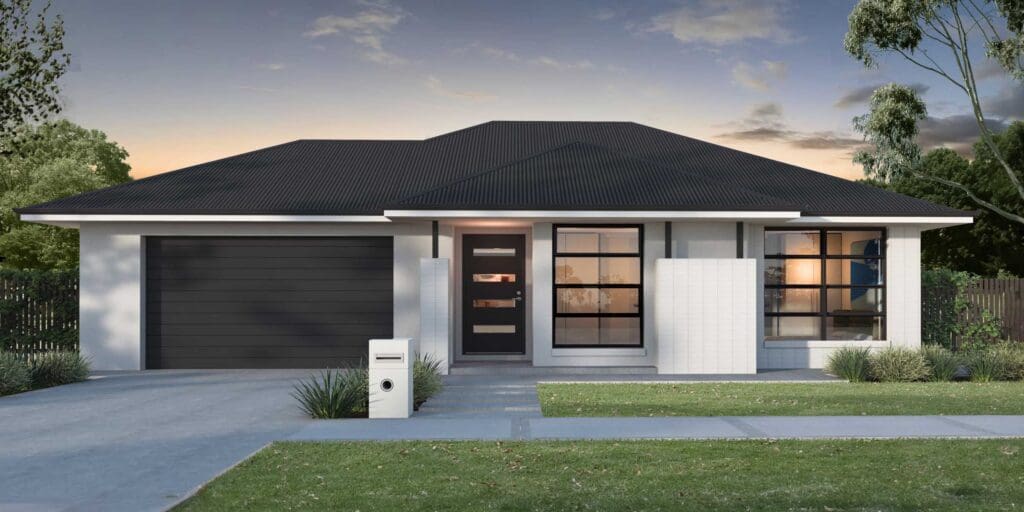
Fibre Cement Cladding
Fibre cement has become one of Australia’s most popular forms of architectural exterior cladding.
Benefits include:
It can replicate the look of weatherboards, vertical cladding and contemporary panel systems without many of the maintenance requirements associated with natural timber.
Brick and Masonry
Brick, stone and masonry continue to be among the most durable facade materials available.
Why homeowners love them:
For homeowners seeking longevity and reliability, masonry remains one of the strongest options available.
Steel Cladding
Steel cladding suits contemporary, rural and architectural homes alike.
Key advantages include:
Steel can be particularly effective when combined with other materials to create a striking custom home facade.
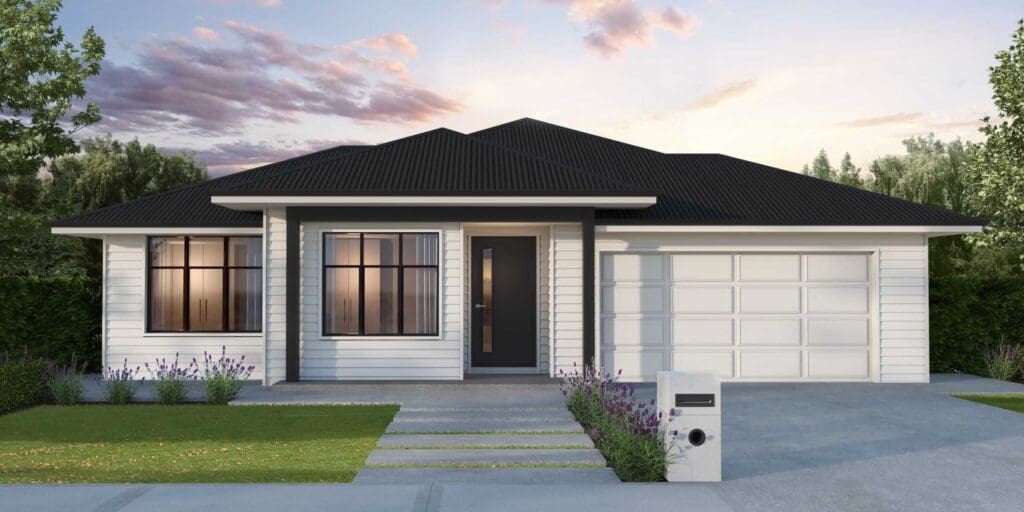
Timber Cladding
Timber offers warmth, texture and natural character.
However, it generally requires more maintenance than other facade materials.
Best uses include:
For a low maintenance home design, timber is often most effective when used selectively rather than across the entire facade.
A sustainable facade isn’t just about selecting the right materials. It’s also about how those materials are detailed and protected.
Consider Larger Eaves
Generous eaves help protect external walls from:
This can significantly extend the lifespan of external finishes.
Place Materials Strategically
Different materials perform best in different locations.
For example:
Keep Facades Simple
Simple architectural forms generally age better than overly complicated designs.
Fewer junctions and transitions often mean:
Consider Bushfire Requirements
Where bushfire risks apply, BAL-rated materials should always be considered.
Non-combustible cladding products can improve resilience and long-term performance.
Premium street appeal doesn’t need to rely on expensive or high-maintenance materials.
Some of the most successful facades focus on:
Material Contrast
Combining complementary materials such as:
creates depth and visual interest.
Simple Architectural Forms
Strong forms often create more impact than excessive detailing.
Layered Textures
Mixing smooth and textured materials can add sophistication without increasing maintenance requirements.
Thoughtful Landscaping
Landscaping helps soften the facade and create a cohesive overall presentation.
The goal is to create a facade that feels timeless rather than trend driven.
A home that ages gracefully will continue delivering premium street appeal for decades.
There is no single best option. A sustainable facade is one that suits the climate, performs well, lasts a long time and requires manageable maintenance.
Generally, no. Timber can be beautiful and sustainable, but it typically requires more upkeep than fibre cement, brick, masonry or steel.
Fibre cement, brick, masonry, steel cladding and carefully selected timber features can all perform well depending on the site, orientation and design style.
Focus on quality materials, balanced colours, simple architectural forms and carefully placed feature elements.
Not at all. Some of the most visually striking homes rely on durable materials, thoughtful proportions and strong architectural design rather than high-maintenance finishes.
Written by the team at Davis Sanders, combining experience in residential sales, custom home design and interior design. Working closely with families throughout the Albury-Wodonga region, we help create homes that balance functionality, durability and timeless architectural appeal.
Table of Contents